Emissions Testing for Auto Auctions and Wholesale Vehicle Lots in Atlanta: The Complete Guide
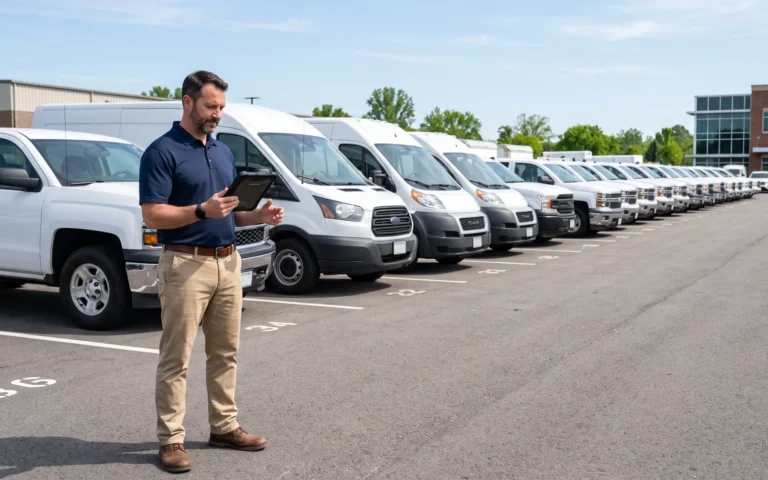
An auto auction or wholesale lot runs on volume and speed. Vehicles arrive, get processed, and move through the block or to the next buyer as fast as the operation can manage. Emissions testing does not fit naturally into that rhythm. A single vehicle waiting on a test can hold up paperwork, delay a transfer, or sit in inventory a day longer than it should. When that happens across dozens or hundreds of vehicles each week, the lost time adds up into a real operational drag.
This guide covers what auto auctions and wholesale vehicle operations in metro Atlanta need to know about emissions compliance, why high-volume turnover makes this different from a typical dealership, and how on-site testing keeps vehicles moving instead of sitting.
Why auctions and wholesale lots face a different problem than retail dealers
A retail dealership tests a vehicle once, reconditions it, and holds it until a retail buyer is ready. An auction or wholesale operation moves at a different pace. Vehicles often arrive one week and need to be ready for the block or a buyer transfer within days, sometimes in a single business cycle. There is rarely a comfortable window to schedule a station visit because the whole point of the operation is speed.
Volume is usually far higher than a single retail lot. A wholesale operation or auction site can process dozens of vehicles in a single sale event, sourced from trade-ins, fleet liquidations, repossessions, and other dealers. Each vehicle needing a test can become a bottleneck if testing is not handled efficiently.
Which vehicles need emissions testing before they can be registered
Most gasoline vehicles registered in the 13-county Metro Atlanta emissions region need a passing annual emissions test before registration. For an auction or wholesale lot, this applies whenever a vehicle is registered in one of these counties, whether by the lot itself, a dealer buyer, or an end customer. Several categories are exempt:
- The three newest model years, a window that shifts forward every year
- Vehicles 25 model years old and older
- Diesel-powered vehicles
- Fully electric vehicles
- Motorcycles
Auction and wholesale inventory comes from a wide range of sources, from off-lease returns to repossessions to trade-ins. The mix of exempt and non-exempt vehicles can vary sale to sale. Knowing which vehicles in a batch need testing prevents wasted time and unnecessary cost.
Where emissions compliance creates friction in the auction process
A few specific points in the auction and wholesale process can cause real problems when an emissions test is missing or expired.
At intake. If testing status is not checked when a vehicle arrives, it can sit unprocessed until someone notices, often at the worst time, right before a sale event.
At the block or transfer. A buyer expecting a vehicle to be sale-ready can face an unexpected delay if the vehicle hasn’t been tested, affecting both the transaction and the buyer relationship.
At registration. Whoever ultimately registers the vehicle, whether that is the lot itself, a dealer, or an end buyer, needs a passing test on file. If that hasn’t happened, registration stalls.
Each of these friction points is avoidable with the same fix: testing vehicles early and in batches, rather than reacting to gaps as they surface.
The cost of downtime at high volume
For a single vehicle, a testing delay might cost a day or two. At the volume an auction or wholesale operation runs, the same delay across dozens of vehicles becomes a meaningful operational cost. Vehicles sitting untested take up lot space, tie up capital that is not turning over, and can push back sale event timelines if many are affected at once.
There is also a reputational cost that is easy to overlook. Buyers who deal with a lot regularly notice when vehicles are consistently sale-ready versus when they face compliance surprises. A reputation for clean, ready inventory is worth protecting, and testing gaps chip away at it over time.
How on-site testing fits the pace of an auction or wholesale operation
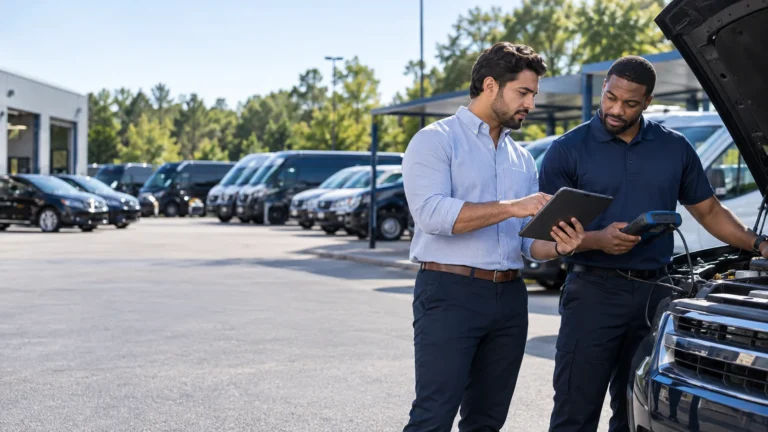
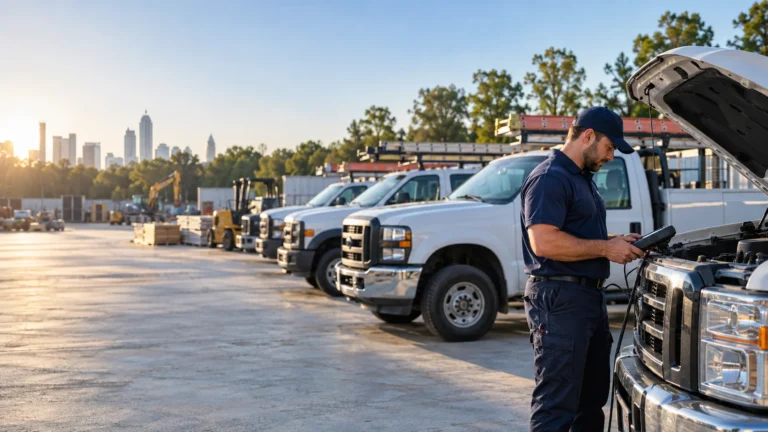
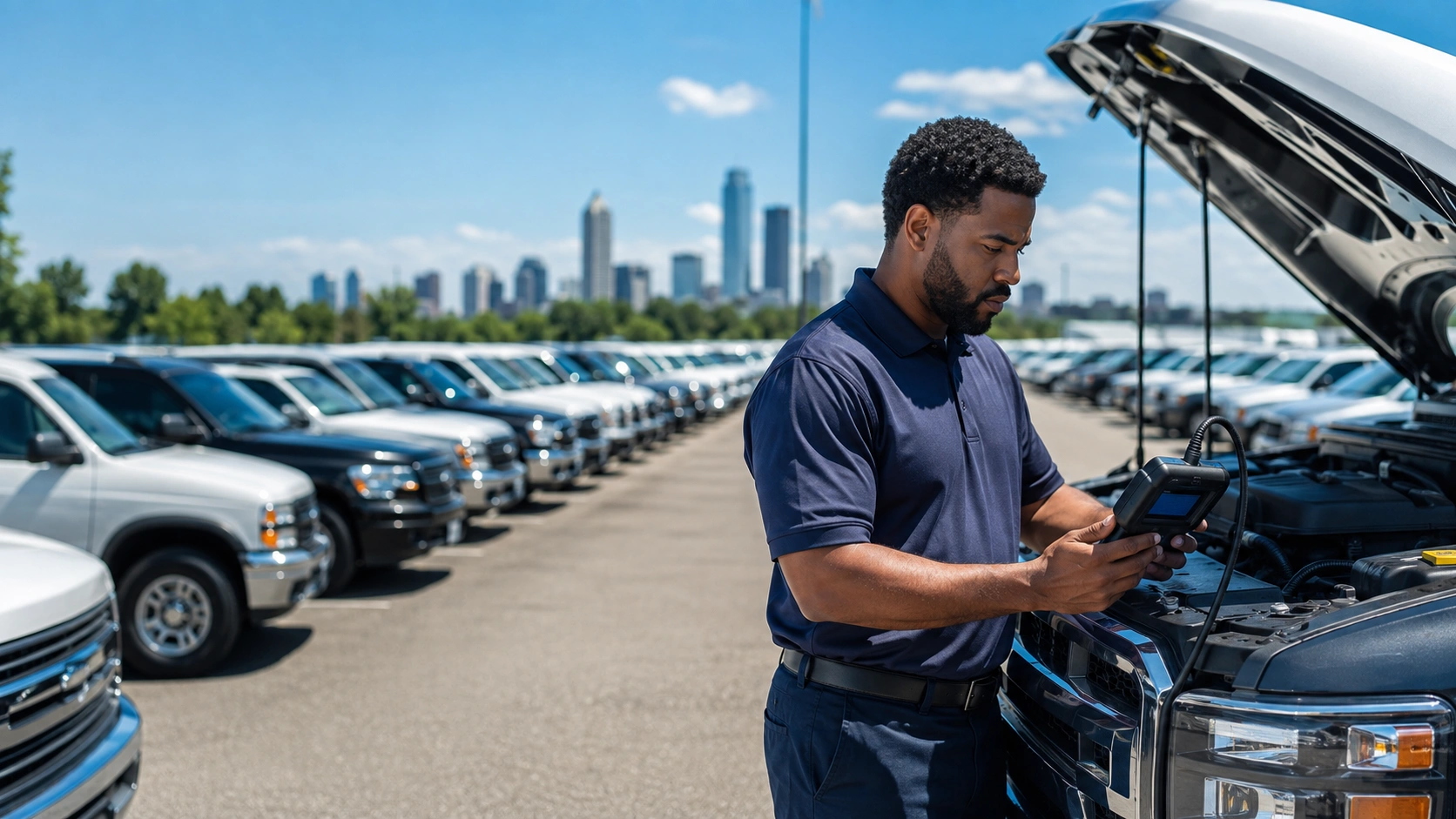
Mobile emissMobile emissions testing is built for this kind of volume and timeline pressure. Instead of sending vehicles to a station and waiting for results, a certified mobile unit comes to your lot and tests vehicles in batches, right where they sit. It is designed to move at auction speed:
- Share your intake list or upcoming sale inventory that needs testing
- Schedule a visit timed to your processing or sale event calendar
- We test the full batch on site in one visit, regardless of how many vehicles are involved
- Passing results are reported to the state the same day
- You receive one consolidated invoice at a flat $25 per vehicle, with no trip charges or hidden fees
Because we come to you and handle full batches in one visit, testing can be built directly into your intake or pre-sale processing step instead of becoming a separate errand competing with everything else on a busy sale week.
Building emissions testing into the auction workflow
Operations that avoid last-minute compliance surprises tend to follow a consistent process.
Check testing status at intake. As soon as a vehicle arrives, note whether it needs a test and if it is exempt to avoid late discoveries.
Batch by sale event. Group vehicles headed for the same upcoming sale or transfer window and schedule one testing visit to cover the whole batch.
Flag failures immediately. If a vehicle fails, route it to repair right away rather than letting it sit in inventory, since every day it sits is a day it cannot go through the block.
Keep documentation with each vehicle record. Clean, retrievable testing records prevent disputes and speed up transfers, especially when a vehicle changes hands more than once.
Review exemptions regularly. Since the newest model-year exemption shifts every year and inventory composition changes constantly, checking exemption status per batch rather than assuming it avoids wasted testing costs.
Frequently asked questions
Can you test a large batch of vehicles before a sale event? Yes. We are built for exactly this. We test full batches in one visit, regardless of size, and report results the same day so vehicles are ready ahead of your event.
How does pricing work for high volume batches? It is a flat $25 per vehicle, no matter how large the batch is, with no trip charges or hidden fees, so the cost stays predictable as volume scales up.
What happens if a vehicle in the batch fails? You are notified immediately with the reason for the failure, so you can pull it aside for repair while the rest of the batch continues through your process normally.
Can you work around our sale event schedule? Yes. We schedule visits around your processing and sale timelines rather than asking you to work around a fixed station schedule.
Do you cover multiple lots across metro Atlanta? Yes. We serve all 13 counties in the metro Atlanta emissions region, so we can reach inventory across different locations.
How do we know which vehicles in a mixed batch are exempt? The three newest model years, vehicles 25 model years old and older, diesel vehicles, fully electric vehicles, and motorcycles are generally exempt. Since inventory composition varies by batch, check exemptions for each new group of vehicles rather than assuming.
Keep vehicles moving through your lot, not sitting on it
At auction and wholesale volume, every vehicle waiting at a testing station is inventory that isn’t turning over. With on-site testing, your vehicles get tested in batches, right on your lot, and keep moving toward the block or the next buyer.
Call (470) 669-0240 to schedule emissions testing at your lot anywhere in metro Atlanta. Flat $25 per vehicle, tested where you park, with same-day reporting to the state.